Comprehensive Acne Treatment
Struggling with acne? Our expert dermatologists offer personalised acne treatment plans that cater to your skin. From topical treatments to advanced therapy sessions, we're here to help.
Consultation time
30 minutes
Treated by
3 Consultant dermatologists
Available treatments
Topical, oral, isotretinoin
What is acne?
Acne is one of the most common skin conditions, affecting millions of people in the UK and worldwide. The NHS states that about 95% of people aged 11 to 30 are affected by acne to some extent in the UK. Yet despite it being a common condition, acne can cause distress and leave those suffering feeling self-conscious.
Acne is a skin condition that occurs when hair follicles become clogged with oil and dead skin cells. Acne can leave your skin feeling oily, painful and often manifests as pimples, blackheads, whiteheads, cysts, and nodules. Acne can be severe or mild, but can affect self-esteem due to the look and feel of it.
Acne is most common on the face, but it can also appear on the forehead, chest, shoulders and upper back as these are the areas that have the most sebaceous (oil) glands. Whilst acne is most common amongst those with hormonal changes, such as teenagers, acne can affect anyone, at any age. Acne can leave hyperpigmentation and untreated acne can leave permanent scarring.
What are the different types of acne?
Acne isn't one single condition — it can appear in several different forms, and knowing which type you have is key to finding the right treatment.
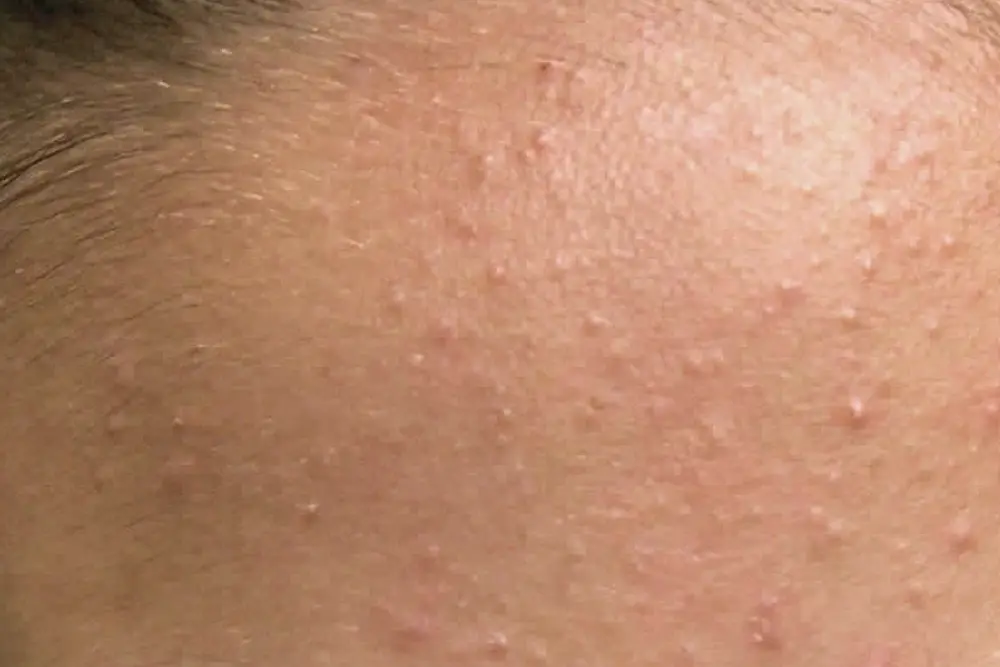
Whiteheads
Small, flesh-coloured bumps under the skin's surface. These are closed comedones where the pore is clogged and covered by a thin layer of skin, trapping the oil and bacteria.
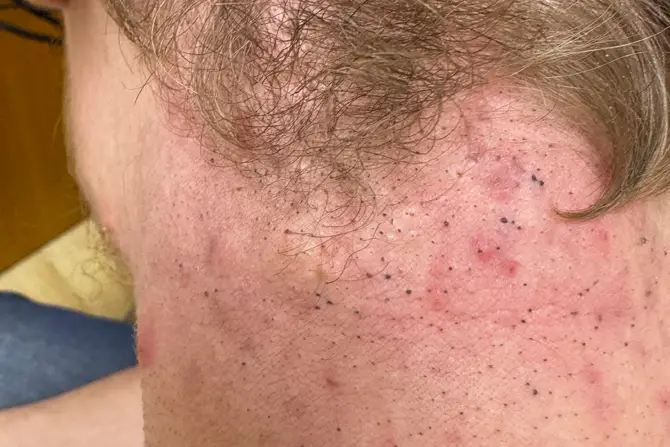
Blackheads
Small, dark spots on the skin's surface. These are open comedones where the pore is clogged but remains open, and the dark colour is from oxidised sebum, not dirt.
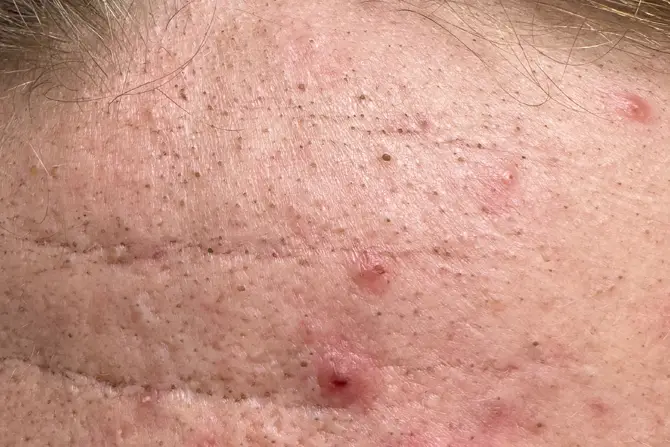
Papules
Small, red, tender bumps that can be inflamed. These form when the wall of the hair follicle breaks down, causing inflammation and redness.
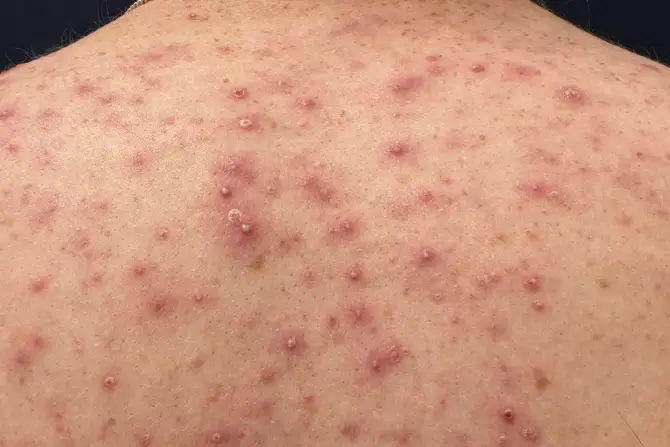
Pustules
Similar to papules but with a white or yellow pus-filled tip. These are what most people think of as 'pimples' or 'spots'.
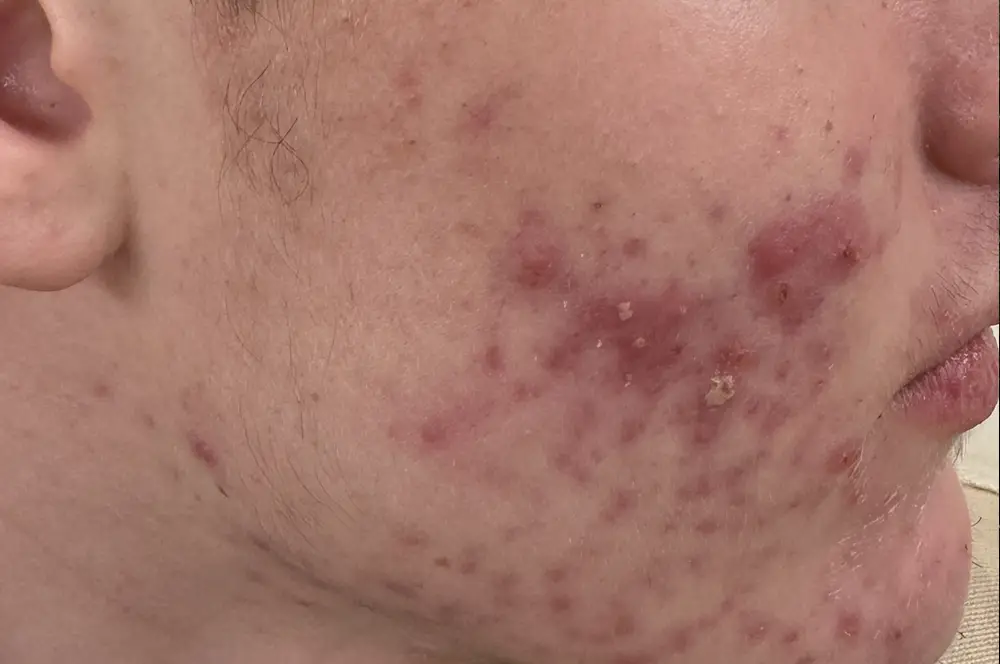
Nodules
Large, hard, painful lumps deep within the skin. These form when clogged pores become severely inflamed and can lead to scarring if left untreated.
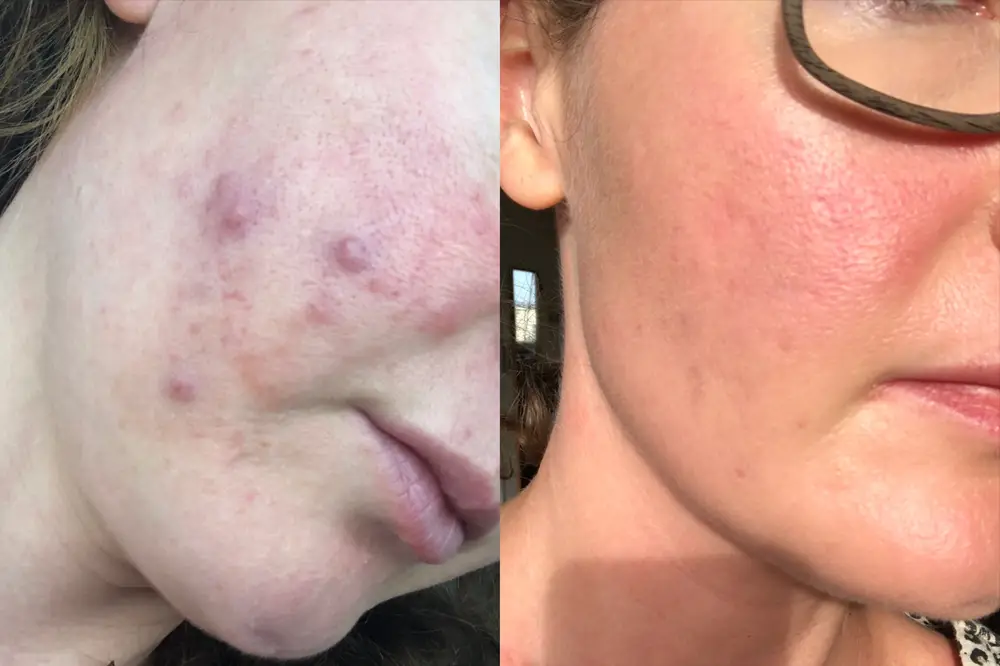
Cystic lesions
Deep, painful, pus-filled lesions that can cause permanent scarring. Cystic acne is the most severe form of acne and often requires consultant-led treatment.
What causes acne?
Several factors can contribute to the development of acne. Understanding these helps us tailor your treatment plan.
Hormonal changes
Androgens, hormones that increase during puberty, can cause the sebaceous glands to enlarge and produce more sebum. Hormonal fluctuations can also affect sebum production, resulting in acne developing at any age — during pregnancy, the menstrual cycle, or starting or stopping birth control pills.
Dead skin cells
When dead skin cells accumulate on the skin's surface, they can mix with excess oil and clog hair follicles, forming acne.
Bacteria
Propionibacterium acnes (P. acnes), a type of bacteria that lives on the skin, can multiply rapidly in clogged pores. This leads to inflammation and the formation of pimples.
Diet
Some studies have suggested that certain foods, including dairy products and high-glycaemic foods such as ultra-processed foods, foods high in sugar, and fast food, can trigger acne in some people.
Stress
Stress can often be associated with acne flares, but the exact mechanism is not really understood.
Our acne treatments
We offer a wide range of care options for acne, including topical, oral, and therapy treatments. Whilst topical treatments are the most common and our go-to for standard acne, we may suggest other options if these do not work or are not applicable to you.
Topical treatments for acne
Our topical treatments include medicated creams, gels, and lotions that reduce inflammation, kill bacteria, and unclog pores.
Here are some topical treatments we use to use to combat acne:
Benzoyl peroxide
Benzoyl peroxide is a common topical treatment we administer for acne. This functions as an antiseptic to reduce bacteria on the skin whilst reducing inflammation.
Retinoids
Retinoids prevent clogged pores, affect cell turnover and decrease oil production, influencing the skin microbiome. This can come in a varying strength and is tailored to the severity of acne.
Oral treatments for acne
For more severe acne, oral medications may be necessary. These treatments work from within to tackle deeper inflammation, sebaceous gland over activity or hormonal imbalances.
Common treatments include:
Antibiotics
Antibiotics can be useful in treating acne and helps to reduce inflammation.
Oral isotretinoin
Oral isotretinoin is a retinoid taken by the mouth. Similarly to the topical retinoids, it is a stronger medication that we tend to use for a range of acne either not responding to standard treatments, severe acne and acne prone to scarring, if other options do not work.
Birth control pills
Birth control pills (and other hormonal treatments) can also be used to treat acne as they help to reduce androgens. These are hormones that cause excess oil in the skin which leads to acne.
Spironolactone
Spironolactone can be used in female patients, particularly those that have cyclical acne or acne around the mouth and jawline.
Medical procedures
For certain types of acne, in-clinic medical procedures can provide faster relief alongside your prescribed treatment plan.
Chemical peels
These can remove dead skin cells and reduce inflammation.
Drainage and steroid injection
Can drain and diminish very inflammatory cysts.
Self-care and lifestyle changes
Alongside medical treatment, certain lifestyle changes can make a real difference in managing acne.
Skincare routine
Gently cleansing twice daily with a mild, non-irritating cleanser and using products specifically for acne-prone skin can help remove excess oil and bacteria without damaging the skin barrier.
Non-comedogenic products
Choosing makeup and skincare products labelled 'non-comedogenic' ensures they won't clog your pores, allowing your skin to breathe and reducing breakouts.
Diet and nutrition
Eating a balanced diet low in ultra-processed foods and sugar, and rich in vitamins and antioxidants, can help reduce inflammation and improve the overall appearance of your skin.
How to prevent acne
Regular skincare routine
Cleansing your face twice a day and avoiding harsh scrubbing helps reduce oil and heal the skin's barrier.
Avoid touching your face
Touching your face transfers bacteria and oil from your hands to your skin, potentially making acne worse.
Use oil-free products
Skincare and makeup containing oil can clog your pores — choose oil-free, non-comedogenic alternatives.
Manage stress
Stress can trigger hormonal changes that worsen acne. Activities like exercise, meditation, and good sleep can help.
Healthy lifestyle
Maintaining a balanced diet, undertaking regular exercise, and drinking plenty of water can help to reduce the presence and severity of acne.
Important information
When should I see a dermatologist for my acne?
If over-the-counter treatments are not effective, it's important to consult a dermatologist. Dermatologists can provide personalised and tailored treatment plans and may recommend and prescribe effective and stronger medications or treatments.
What's the first step to treating acne?
The first step is to book a consultation with one of our experts. From there we will assess your skin and examine your acne. We will examine your acne's grade, looking at the oiliness, lesions, and inflammation, before noting down previous medical history, medications you are currently taking, and discussing any other treatments you have tried. Our experts will then prescribe you the best course of treatment for you, alongside a personalised skincare programme, designed to improve the look of your skin.
We treat all types of acne
At Experts in Skin and Hair, we treat all types of acne at our clinics. We will spend time analysing your acne and understanding your lifestyle, in order to suggest the best treatments for you.
The treatment we offer will depend on a number of factors, such as whether your acne is mild or severe, whether you have inflammatory acne, cystic acne, lesions or nodules, and if there is any hyperpigmentation or scarring from the acne.
Our expert team has many years of experience in treating painful and severe acne, so understand how it impacts your life. We will create a personalised treatment programme, recommending the best treatments and skincare that works for your skin and the type of acne you're suffering with.
Why choose us for acne treatment?
Consultant dermatologists
You'll see a fully qualified consultant dermatologist from your first appointment — not a GP or nurse.
Personalised treatment plans
We create a bespoke treatment programme, recommending the best treatments and skincare that works for your skin and the type of acne you're suffering with.
Insurer-recognised care
Our consultants are recognised by all leading UK insurance companies. Most acne consultations can be covered by your insurance with a GP referral.
Ongoing support
We offer telephone and video follow-ups, making it easy to continue your treatment plan wherever you are.
Get in touch with our team today to discuss your acne treatment.