
Seborrhoeic Dermatitis
Seborrhoeic Dermatitis is a common, chronic skin condition that causes flaky, white to yellowish scales and red patches, typically affecting oily areas of the body like the scalp, face, or chest.
What is seborrhoeic dermatitis?
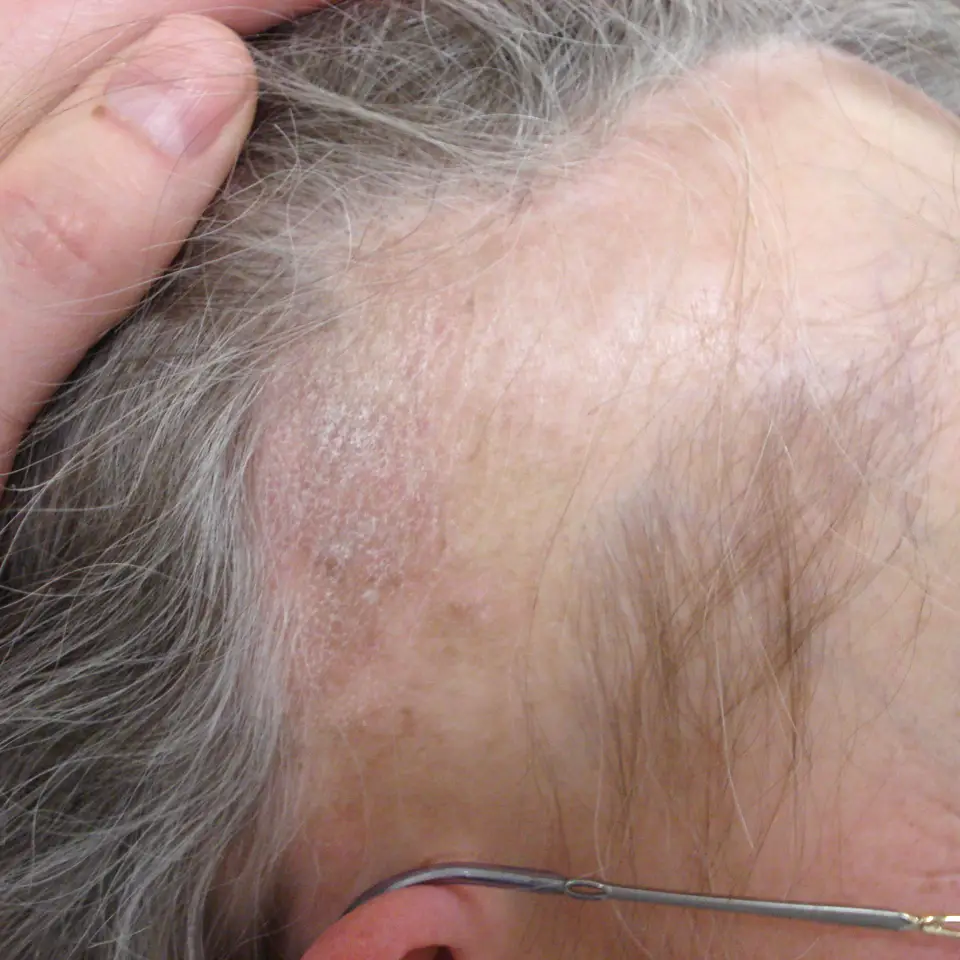
Seborrhoeic dermatitis is a chronic inflammatory skin condition typified by the development of scaly, flaky patches, often with redness. It primarily affects areas of the skin rich in oil glands, such as the scalp, face, chest, and back.
What causes seborrhoeic dermatitis?
The exact cause of seborrheic dermatitis isn't fully understood, but several factors are believed to contribute to its development:
- •Overgrowth of a subtype of Malassezia yeast on the skin
- •Excess oil production from sebaceous oil glands
- •Immune system responses
- •Stress and fatigue
- •Environment
- •Genetics
- •Underlying health conditions such as Parkinson's disease or HIV
Typically, it is a combination of several factors that causes the condition.
Does seborrhoeic dermatitis cause hair loss?
Seborrhoeic dermatitis can be associated with hair loss, but it is usually temporary and related to the inflammation and irritation of the scalp. In most cases, once the condition is effectively treated and managed, hair typically regrows. However, if left untreated for a long time, the hair loss could be more significant.
General symptoms
The general symptoms of seborrheic dermatitis include:
- •Scaly patches
- •Redness
- •Itching
- •Flaking
- •Greasy or Oily Skin
- •Crusting
- •Sensitivity
How to treat seborrhoeic dermatitis
There are various ways to treat seborrhoeic dermatitis, although the best treatment plan will change depending on the severity of your condition and several other factors.
Medicated shampoos
Antifungal & anti-inflammatory treatments
Applying antifungal creams and anti-inflammatory creams, lotions or gels, such as corticosteroids to reduce inflammation and yeast growth.
Gentle cleansing
Cleansing affected areas daily with gentle, fragrance-free cleansers.
Moisturising
Moisturising the skin regularly with non-comedogenic products.
Trigger management
Identifying and avoiding triggers.
How to prevent seborrhoeic dermatitis
It's not possible to entirely prevent seborrhoeic dermatitis, but you can manage and reduce flare-ups by maintaining a regular skincare routine with gentle, non-irritating products.
Important information
When should I see a dermatologist for seborrhoeic dermatitis?
If your symptoms are abnormal and severe, you should contact a medical professional or if the condition affects your daily life or mental well-being, it's important to seek professional advice. Consulting a dermatologist early gives you the best chance to combat the condition.
What's the first step to treating seborrhoeic dermatitis?
The first step is to book a consultation with one of our experts. From there, we will assess your hair and scalp, reviewing the pattern and severity of your condition, as well as any underlying scalp conditions. We will also consider your medical history, current medications, and any prior treatments you've undergone. Our team will then recommend the most effective treatment tailored to your needs, along with an aftercare plan aimed at promoting hair regrowth and improving overall scalp health.
Seborrhoeic dermatitis FAQs
We strive to provide you with advice and options to regain confidence in your hair. By implementing the appropriate measures, you can achieve significant improvements in hair growth and overall hair health.
Accreditations & memberships
Our consultants are members of leading UK and international dermatology and hair specialist bodies.

- Royal College of Physicians
- European Hair Research Society (EHRS)
- British Association of Dermatologists
- British Hair & Nail Society
- American Academy of Dermatology Association (AAD)
- European Academy of Dermatology & Venereology (EADV)