
Alopecia
Alopecia, or hair loss, affects millions of people worldwide, with an estimated 1 in 4,000 people developing alopecia areata each year in the UK.
This disorder can impact anyone regardless of age, gender, or ethnicity, and can range from one or two patches of hair loss to complete baldness.
Understanding the types, causes, and available treatments for alopecia is essential for those dealing with hair loss and seeking effective solutions.
Book an AppointmentWhat is alopecia?
Alopecia is a hair condition distinguished by hair loss from the scalp or other parts of the body. It can manifest in various forms, ranging from small patches of hair loss to complete baldness.
What causes alopecia?
Alopecia typically occurs when your body's immune system attacks hair follicles and causes them to fall out. Many factors can contribute to this, including (but not limited to):
- •Heredity / genetic predisposition
- •Stress
- •Illness / infection
- •Vaccines
What are the three subtypes of alopecia?
There are three main subtypes of alopecia:
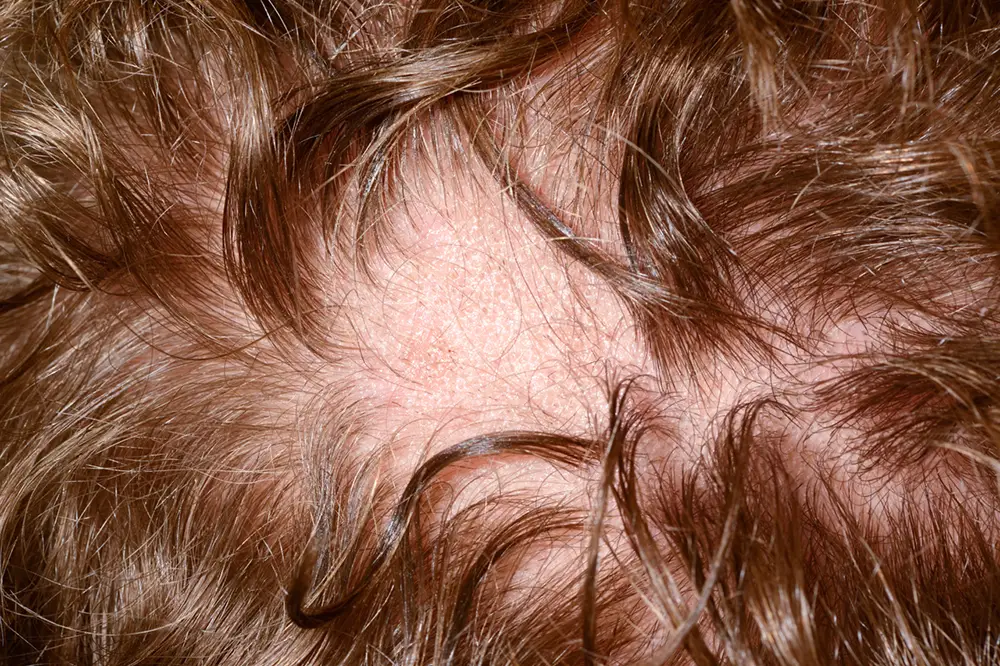
Alopecia areata
The most common form of alopecia. Symptoms generally include bald patches on the scalp.
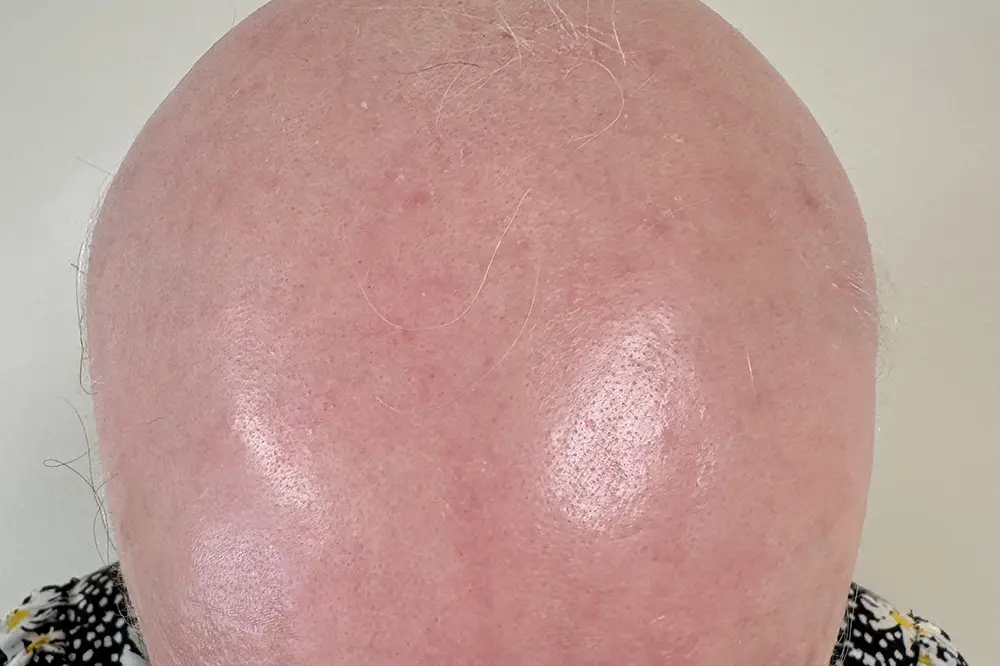
Alopecia totalis
A more severe type of alopecia areata affecting the entire scalp, leading to 100% scalp hair loss.
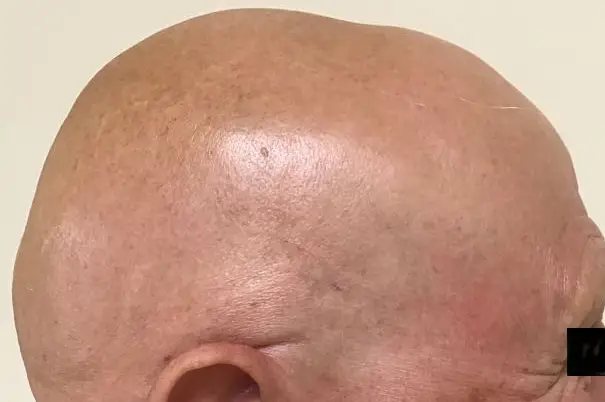
Alopecia universalis
The most serious form of alopecia, causing body-wide hair loss including the head, eyebrows and lashes, chest, arms, legs, and armpits.
How to treat alopecia
Treating alopecia depends on the type and severity of hair loss. While some forms may resolve on their own, others require medical intervention.
Steroid injections
Administered directly into the scalp to reduce inflammation and promote hair regrowth in affected areas, particularly effective for alopecia areata.
Immunosuppressive therapies
Ranging from prednisolone to methotrexate to JAK inhibitors, all focused on tackling more severe forms of alopecia areata, totalis, or universalis.
Contact immunotherapy
By stimulating the immune system with an irritant chemical (such as dithranol or diphencyprone), this diverts immune cells away from the hair follicle and helps restart hair growth.
Hair growth stimulants
Topical solutions or low-dose oral minoxidil may stimulate hair follicle growth. Platelet-rich plasma injections may also stimulate hair growth and combat alopecia areata.
How to prevent alopecia
Alopecia cannot be prevented as it is an autoimmune disease. A lot of factors contributing to this also cannot be controlled, such as genetic predisposition or atopy (asthma, hayfever or eczema).
However, you can stop it from worsening by:
- •Maintaining a healthy diet
- •Managing stress
- •Avoiding smoking and excessive alcohol consumption
Important information
When should I see a dermatologist for alopecia?
If you can see clear bald patches on your head or anywhere else on the body, you should contact a dermatologist. We can diagnose the exact type of alopecia you have, allowing us to provide specified treatment plans to combat it. Alopecia is generally treatable with better outcomes associated with earlier intervention.
What's the first step to treating alopecia?
The first step is to book a consultation with one of our experts. From there we will assess your hair, scalp, and skin and figure out what is causing your hair loss. We will assess the extent of your hair loss by examining the pattern, severity, and any underlying scalp conditions, while also reviewing your medical history, current medications, and any prior treatments you've undergone. Our team will then recommend the most effective treatment tailored to your needs, along with an aftercare plan aimed at promoting hair regrowth and improving overall health.
Alopecia, though challenging, can often be managed effectively with the right strategies and treatments. By implementing the correct measures, you can achieve significant improvements in hair growth relatively quickly.
Accreditations & memberships
Our consultants are members of leading UK and international dermatology and hair specialist bodies.

- Royal College of Physicians
- European Hair Research Society (EHRS)
- British Association of Dermatologists
- British Hair & Nail Society
- American Academy of Dermatology Association (AAD)
- European Academy of Dermatology & Venereology (EADV)