
Frontal fibrosing alopecia
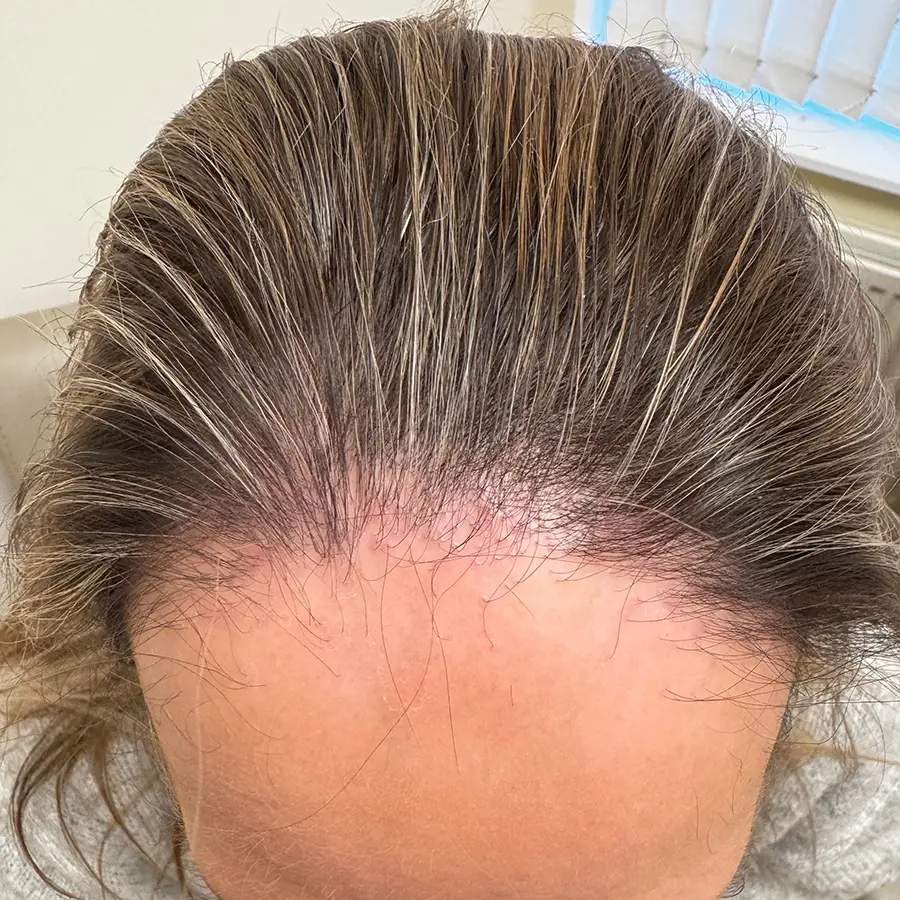
Frontal fibrosing alopecia is a type of scarring hair loss that primarily affects the frontal hairline, leading to progressive hair thinning and recession.
What is frontal fibrosing alopecia?
Frontal fibrosing alopecia is a specific type of hair condition that affects your hairline. It destroys hair follicles and disrupts hair growth, thus leading to hair loss.
What causes frontal fibrosing alopecia?
The exact cause of frontal fibrosing alopecia is not fully understood, but it is believed to involve:
General symptoms
How is frontal fibrosing alopecia treated?
Treating frontal fibrosing alopecia involves addressing the underlying cause and managing inflammation. These treatments will have varying results that depend on the severity of your condition and other factors.
Topical treatments
Topical treatments for frontal fibrosing alopecia aim to reduce inflammation and slow the progression of hair loss. For example, corticosteroids are commonly used to decrease inflammation and suppress the immune response in the affected areas.
Oral medications
There are a number of tablet based medications that can be considered to help with inflammation and the associated symptoms, like itching. Sometimes these are used in combination for maximum benefit. This may include Hydroxychloroquine, tetracycline antibiotics, antihistamines or experimental treatments like Dutasteride.
Procedures
Physical therapies like Platelet Rich Plasma (PRP), steroid injections, microneedling, light based devices, lasers can all be considered as adjunctive treatments.
How do you prevent frontal fibrosing alopecia
There is no way to fully prevent frontal fibrosing alopecia, but you can help combat its effects through treatment.
Important information
When should I see a dermatologist for frontal fibrosing alopecia?
You should see a dermatologist for frontal fibrosing alopecia if you notice early signs of hair loss at the front hairline or temples, or if the condition is worsening. We can provide an accurate diagnosis, discuss tailored treatment options, and give advice on managing your symptoms effectively.
What's the first step to treating frontal fibrosing alopecia?
The first step is to book a consultation with one of our experts. From there, we will assess your hair and scalp, reviewing the pattern and severity of your condition, as well as any underlying scalp conditions. We will also consider your medical history, current medications, and any prior treatments you've undergone. Our team will then recommend the most effective treatment tailored to your needs, along with an aftercare plan aimed at promoting hair regrowth and improving overall scalp health.
Frontal fibrosing alopecia FAQs
We strive to provide you with advice and options to regain confidence in your hair. By implementing the appropriate measures, you can achieve significant improvements in hair growth and overall hair health.
Accreditations & memberships
Our consultants are members of leading UK and international dermatology and hair specialist bodies.

- Royal College of Physicians
- European Hair Research Society (EHRS)
- British Association of Dermatologists
- British Hair & Nail Society
- American Academy of Dermatology Association (AAD)
- European Academy of Dermatology & Venereology (EADV)