
Expert mole care & skin cancer screening
From mole checks to advanced mapping and biopsy, our consultant dermatologists provide comprehensive mole surveillance and treatment — giving you peace of mind and the earliest possible detection.
Book an appointment
Accreditations & memberships
Our consultants are members of leading UK and international dermatology and hair specialist bodies.

- Royal College of Physicians
- European Hair Research Society (EHRS)
- British Association of Dermatologists
- British Hair & Nail Society
- American Academy of Dermatology Association (AAD)
- European Academy of Dermatology & Venereology (EADV)
What are moles?
Moles are clusters of pigmented cells called melanocytes. They are a common skin growth, and typically appear as small, brown spots on the skin, developing anywhere on the body. Most moles appear during childhood and adolescence, though they can continue to develop through adult life. The frequency of harmless new moles decreases with advancing years and new "moles" in 40s, 50s and older need to be monitored for ongoing change that may signify cancer.
Moles can be flat, raised, dome shaped, smooth or textured, pigmented or skin coloured and may contain hairs.
Moles are usually harmless but monitoring them for changes is good practice.
Types of moles
Moles can vary widely in appearance and can be classified into several types:
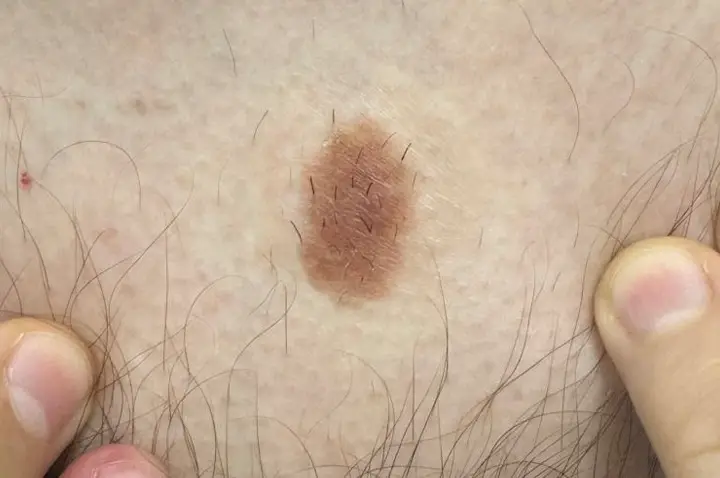
Congenital moles
Congenital moles vary in size and colour and are present at birth. Large congenital moles have a higher risk of developing into melanoma.
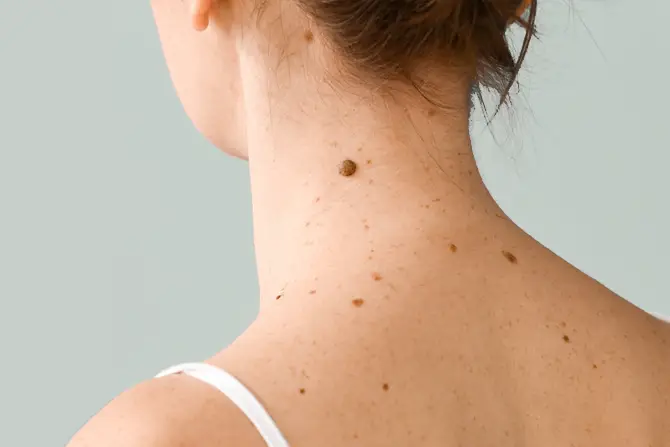
Common moles
Common moles are symmetrical and round or oval in shape, and typically have a uniform light tan, brown colour. Most people have between 10 to 40 common moles.
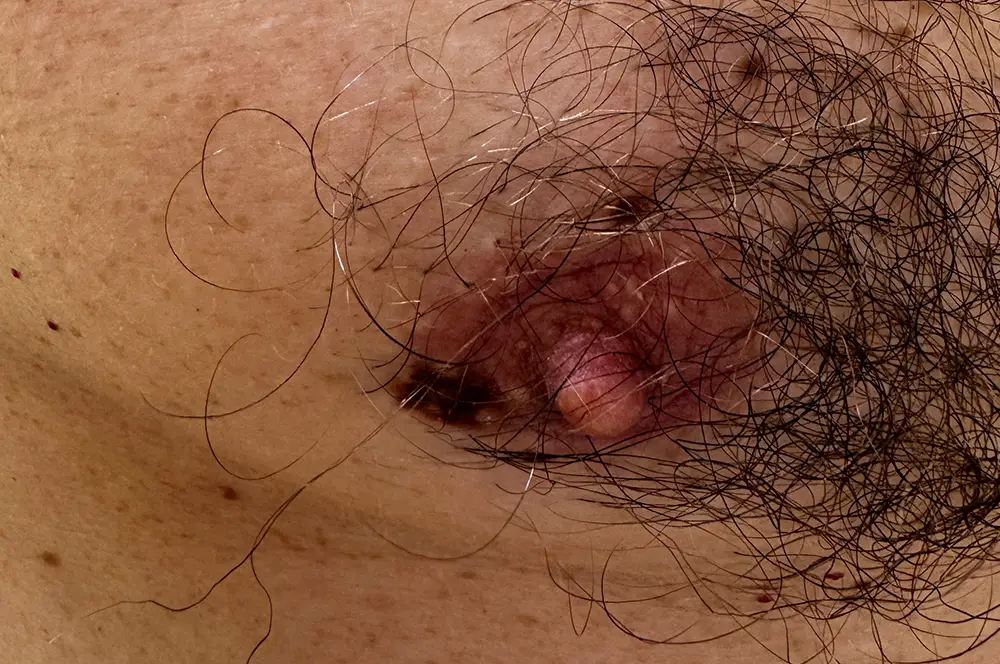
Atypical (dysplastic) moles
Atypical moles are larger than common moles and have irregular shapes and uneven colour. They can resemble melanoma and should be monitored closely for changes.
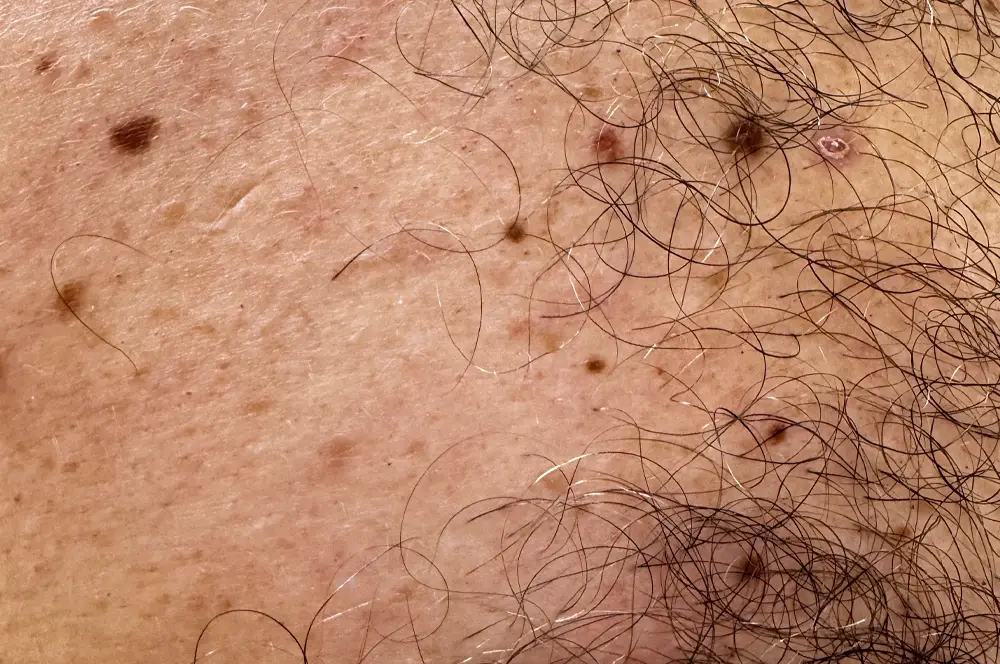
Acquired moles
Acquired moles develop after birth and are influenced by sun exposure and other environmental factors.
What causes moles?
Genetics
Most moles are caused by genetics. As most moles appear during childhood and adolescence, most moles are heredity, meaning that if your parents have moles, you are likely to develop them as well.
Sun exposure
UV radiation from the sun or tanning beds can increase the number of moles. It can also lead existing moles to darken.
Hormonal changes
Hormonal fluctuations, such as those during puberty or pregnancy, can cause moles to appear, or change existing moles' appearance.
Skin type
Those with fairer skin are more prone to developing moles due to lower melanin levels. This provides less natural protection against UV radiation.
Monitoring moles
If you have moles, particularly atypical moles, you should monitor them regularly for changes. Regular monitoring is crucial for the early detection of potential skin cancer.
Melanoma UK recommends following the ABCDE rule for signs of melanoma:
Asymmetry
One half of the mole does not match the other.
Border
The edges are irregular, ragged, or blurred.
Colour
The colour is not uniform and may include shades of brown, black, pink, red, white, or blue.
Diameter
The mole is larger than 6mm.
Evolving
The mole changes in size, shape, or colour over time.
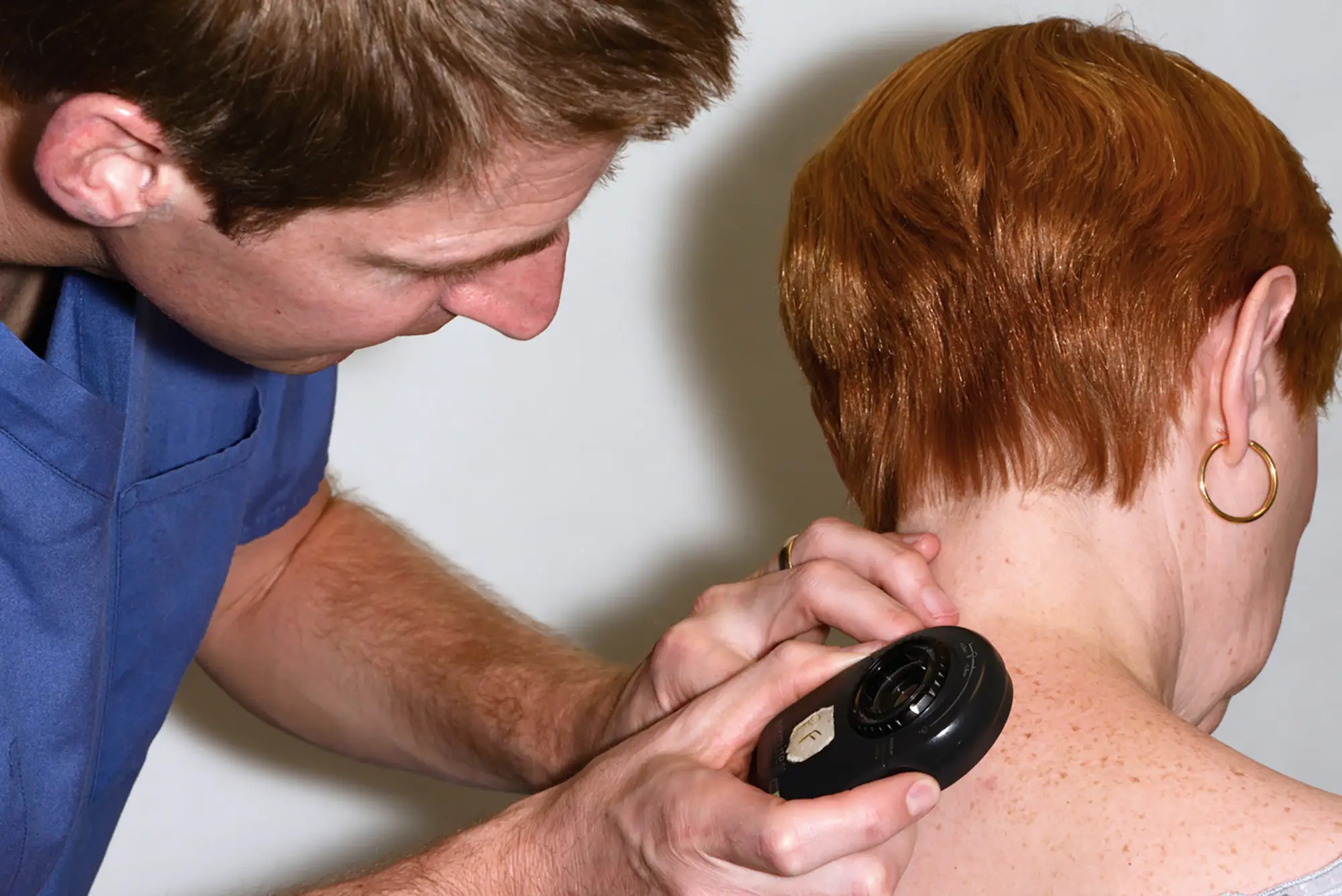
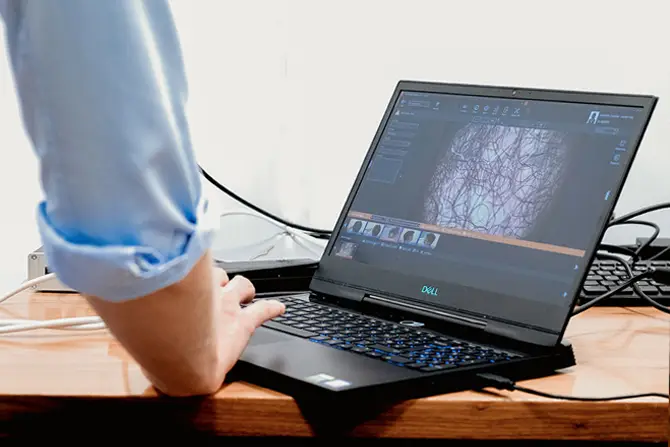
If you notice any of these signs, or if a mole becomes itchy, painful, or bleeds, it's important to consult a dermatologist promptly. They will be able to perform tests, such as mole biopsies, to determine the severity of the mole. Services like mole mapping also enable dermatologists to track the growth of moles over time.
How to prevent moles
While you cannot prevent moles entirely, there are steps you can take to minimise their development and reduce the risk of skin cancer:
- Sun protection: Using a broad-spectrum sunscreen with an SPF of at least 30, wearing protective clothing, and seeking shade during peak sun hours can help to reduce the number of moles.
- Avoid sun-beds: Just like the sun, the UV radiation from sun-beds increases the risk of melanoma and can increase the number of moles – and make them darker.
- Get regular skin checks: You should check your moles every month and note down any changes. You can also schedule annual skin checks with a dermatologist.
- Healthy lifestyle: Maintain a healthy diet, stay hydrated, and avoid smoking to support overall skin health.
Important information
When should I see a dermatologist for my moles?
You should consider seeing a dermatologist to check your moles if you have noticed any changes in the shape, colour, or size, or if it is bleeding, itchy or painful.
You should also consider seeing a dermatologist once a year to check for signs of change.
What's the first step to treating moles?
The first step is to book a consultation with one of our experts. From there we will assess your moles and discuss options with you. We will take the time to understand your lifestyle and make recommendations for treatment. Treatment can look like monitoring or removal, depending on your mole/s.
While moles are common and usually benign, it is important to understand their characteristics and monitor, in order to detect potential skin issues, including melanoma. By taking preventive measures and staying aware, you can maintain healthy skin and address any concerns promptly.
We treat all mole concerns
At Experts in Skin and Hair, we can treat all types of mole concerns at our clinics. We have many years of experience treating moles, and spend time understanding your concerns, as well as your skin and lifestyle, in order to suggest the best treatment for you.
The treatment we offer will depend on a number of factors, such as the type of moles you have, and whether they have changed.
Get in touch with our team today to discuss your mole treatment.