
Cyst removal in Sussex
Consultant-led assessment and removal of skin cysts, including epidermoid and sebaceous cysts.
Consultation time
20 to 30 minutes
Treated by
Consultant dermatologists
Removal method
Surgical excision
What are skin cysts?
Cysts are round lumps or sacs that form under the skin, varying in size and discomfort. Most are filled with keratin — a soft, cheesy material produced by skin cells — and feel smooth and movable beneath the skin surface.
The most common types we see are epidermoid cysts (the most common type, formed when skin cells migrate deeper instead of shedding, often called sebaceous cysts although the name is technically incorrect), pilar cysts (similar to epidermoid cysts but typically develop on the scalp), and sebaceous cysts (genuinely arising from sebaceous (oil-producing) glands; rarer than the term suggests).
Cysts can develop anywhere on the body but are most common on the face, neck, back, and scalp. They're benign — non-cancerous — but can become painful, infected, or cosmetically troublesome.
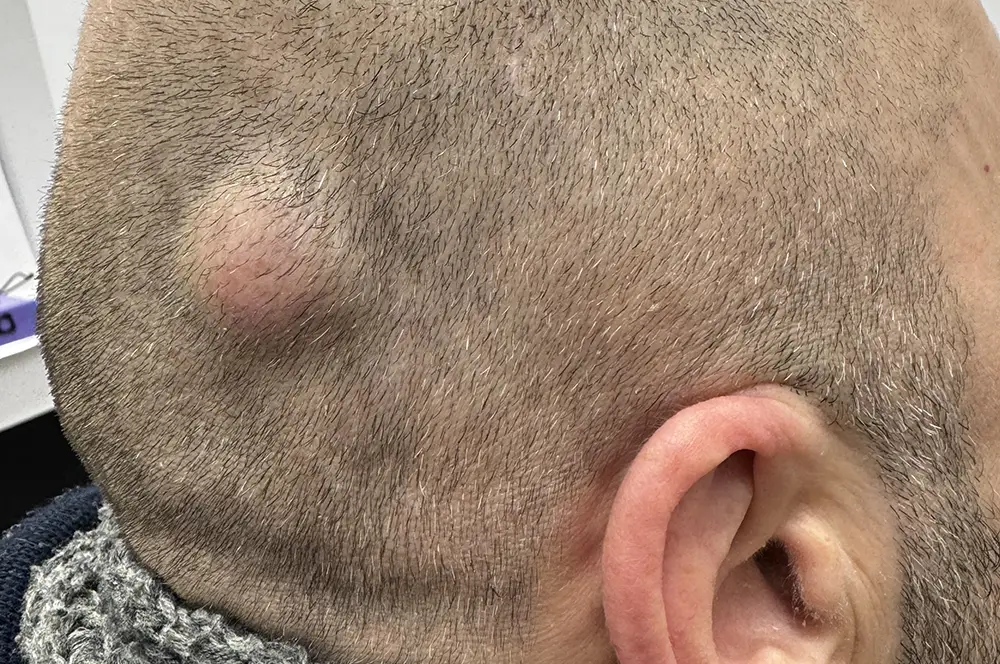
What causes cysts?
It is not known entirely what causes a cyst to form but there are a number of potential reasons that may include:
Infections
Certain infections may cause cysts to develop as a result of the body's response to fight the infection.
Blocked hair follicles and sebaceous (oil) glands
When hair follicles become blocked the follicle can distend and rupture and this can potentially lead to cyst formation.
Chronic inflammatory conditions
Common skin conditions such as acne or ingrown hairs may lead to the formation of cysts.
Injuries
Trauma to the skin or underlying tissues may result in cyst formation.
Types of cysts
Cysts come in a variety of shapes and forms. The type, alongside its location on the body, will dictate how best to treat or remove it.
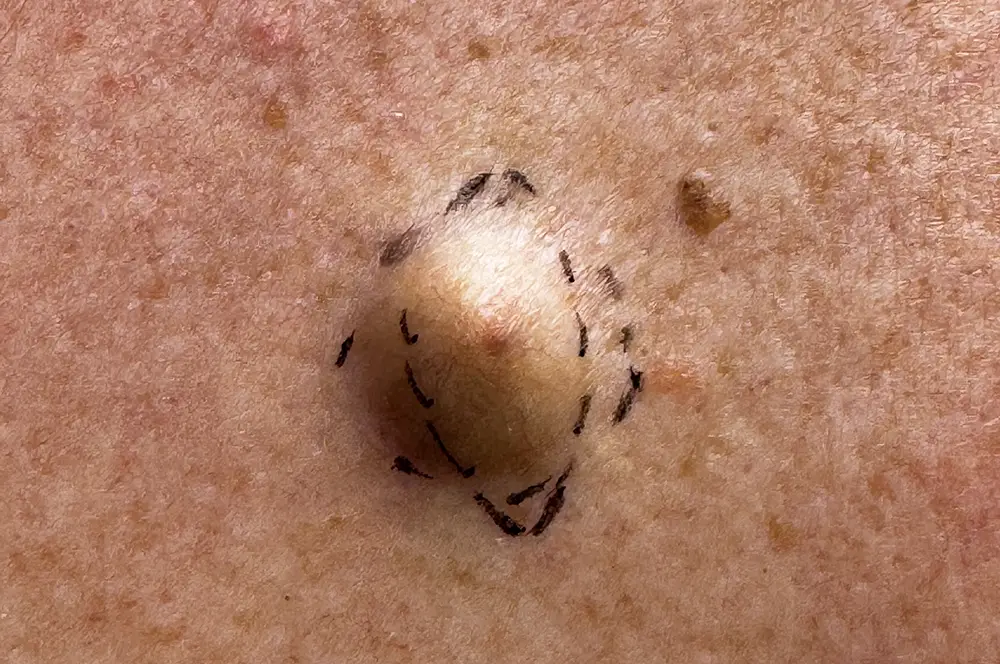
Epidermoid cyst
The most common type, typically occurring on the trunk, neck, face, or back. Usually painless but can become irritated, inflamed, or infected. Large cysts can rupture and discharge their contents.
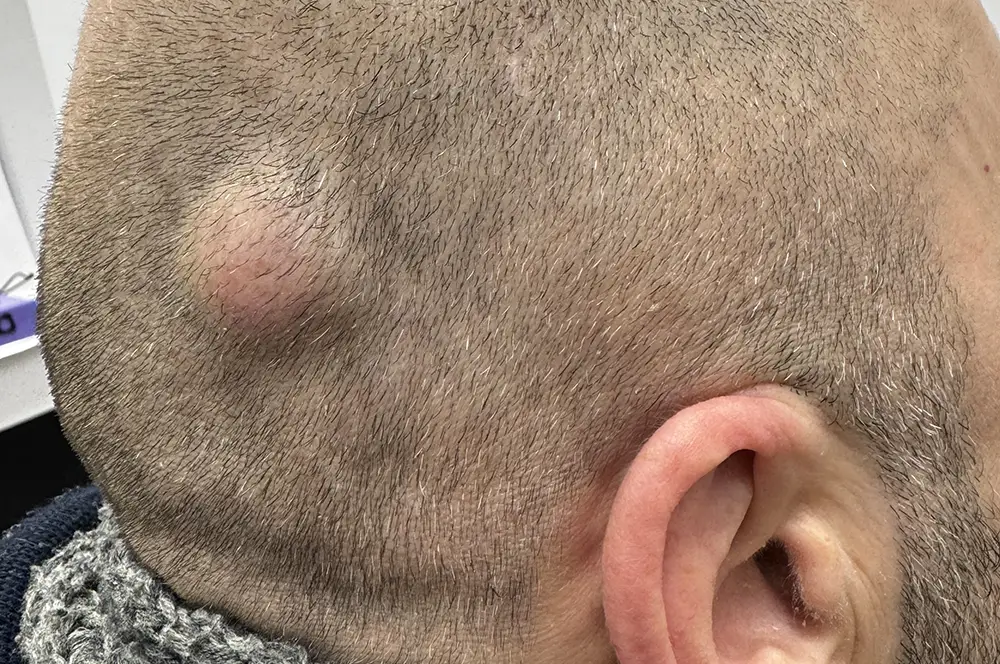
Pilar cyst
Develops from hair follicles and is commonly found on the scalp. Similar to epidermoid cysts but specific to hair-bearing areas. May run in families and often presents as a smooth, firm lump.
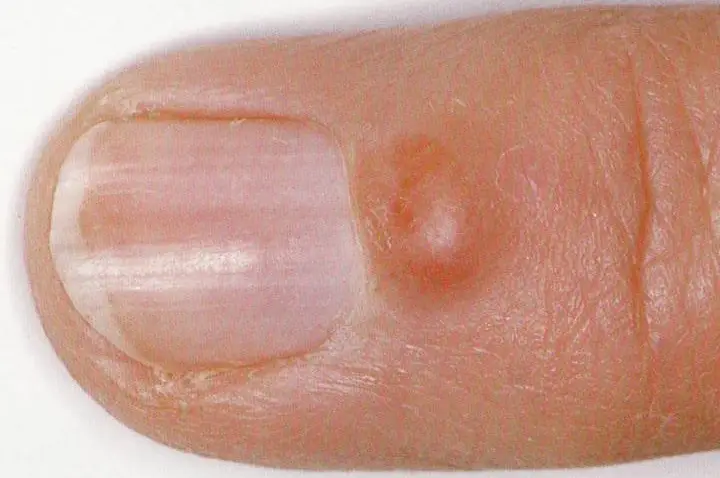
Ganglion cyst
Ganglion cysts, also known as myxoid cysts or mucinous cysts, form in a joint or tendon, and are more common on the wrists, hands and fingers. They contain a jelly-like fluid rather than keratin.
How to prevent cysts
Unfortunately, it is not possible to prevent cysts from forming. However, you can prevent further infection by not irritating the cyst. This means you should not attempt to squeeze or pop it.
How to treat cysts
The treatment for cysts does depend on their type, size, location, and whether they cause symptoms. Any treatment should be carried out by a professional, and you should never try and pop or burst the cyst yourself. Doing so could result in an infection — and it will probably come back.
Common treatment options for cysts, include:
Observation
Cysts are benign and may resolve on their own. In such cases, a watch-and-wait approach is often recommended.
Drainage
Larger, symptomatic cysts can be drained by a professional but this only gives temporary relief and the cyst is likely to recur.
Surgical removal
Persistent or bothersome cysts may require surgical excision, especially if they recur or become infected.
Medications
Infected cysts may require antibiotics.
Cyst removal pricing (including hospital fees) starts from £495. See our Fee Guide for details.
Important information
When should I see a dermatologist for my cysts?
Whilst most cysts are benign and do not cause issues, it is important to seek professional advice if you notice any of the following:
- Enlarging or painful cysts
- Signs of infection, such as redness, warmth, or pus
- Cysts that interfere with daily activities or cause significant discomfort
- Cysts that recur after treatment
A dermatologist can provide a tailored treatment plan and, if necessary, perform diagnostic tests to rule out other conditions.
What's the first step to treating cysts?
The first step is to book a consultation with one of our experts. From there we will assess your concerns and assess your cyst/s. We will assess your cyst and advise you on whether treatment is necessary. Treatment depends on a number of things, but our experts will always recommend the best course of treatment for you.
Cysts are a common and often benign condition that can occur for various reasons. Understanding the causes, types, and treatment options can help people manage cysts effectively and seek appropriate care when needed. For persistent, symptomatic, or concerning cysts, consulting an expert is crucial for proper diagnosis and treatment.
Get in touch with our team today to discuss your cyst treatment.
We treat all types of cysts
At Experts in Skin and Hair, we treat all types of skin related cysts at our clinics. We take the time to understand your concerns and how the cysts affect your life, before suggesting the best treatment for you.
The treatment we offer will depend on a number of factors, such as the type of cyst, your medical history, where your cyst is, how it impacts your life, and how painful — if at all — it is, as well as how often it returns.
Our expert team has many years of experience in treating all kinds of cysts, so understand how they can impact your life. We will create a personalised treatment programme, recommending the best treatments and lifestyle changes that work for your skin.